Noise pollution is an increasing concern for homeowners, schools, healthcare providers, and businesses across the UK. From the roar of passing traffic to industrial sites operating around the clock, noise can negatively impact health, well-being, and productivity.
That’s where acoustic fencing comes in. Also known as soundproof fencing or noise barrier fencing, this specialist solution is designed to block and absorb unwanted sound, creating quieter, more private spaces.
In this guide, we’ll explain what acoustic fencing is, how it works, and why it could be the perfect solution for your project.
Why Is Noise Reduction So Important?
According to the World Health Organisation’s Environmental Noise Guidelines, long-term exposure to environmental noise has been linked to issues such as sleep disturbance, stress, and even cardiovascular problems.
Closer to home, the UK Government’s noise pollution guidance emphasises the role of noise reduction in urban planning and construction.
Installing the right fencing isn’t just about privacy and security anymore; it’s about health, compliance, and creating better living and working environments.

What Is Acoustic Fencing?
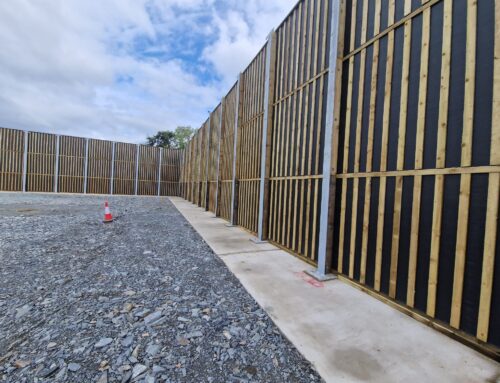
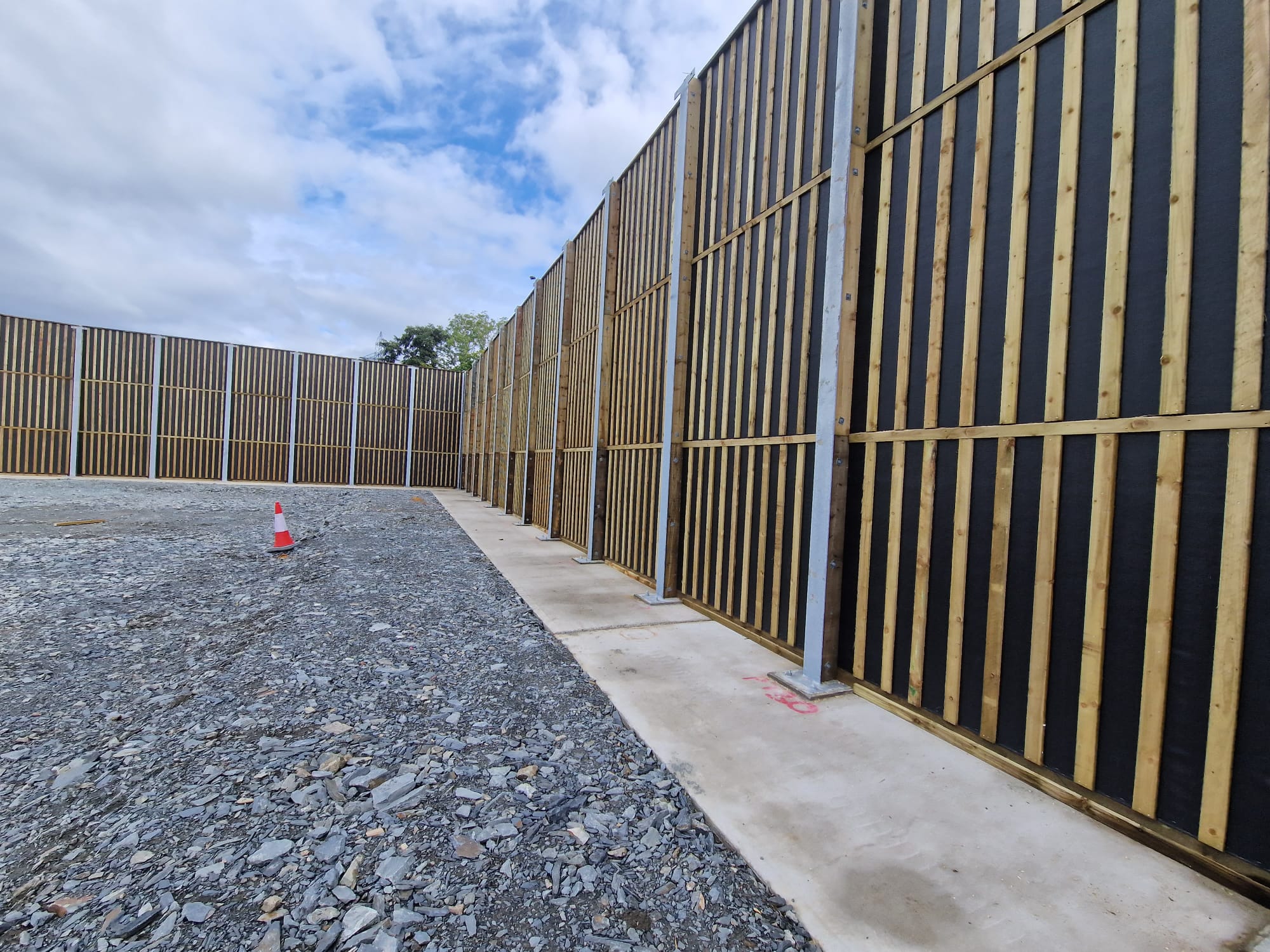
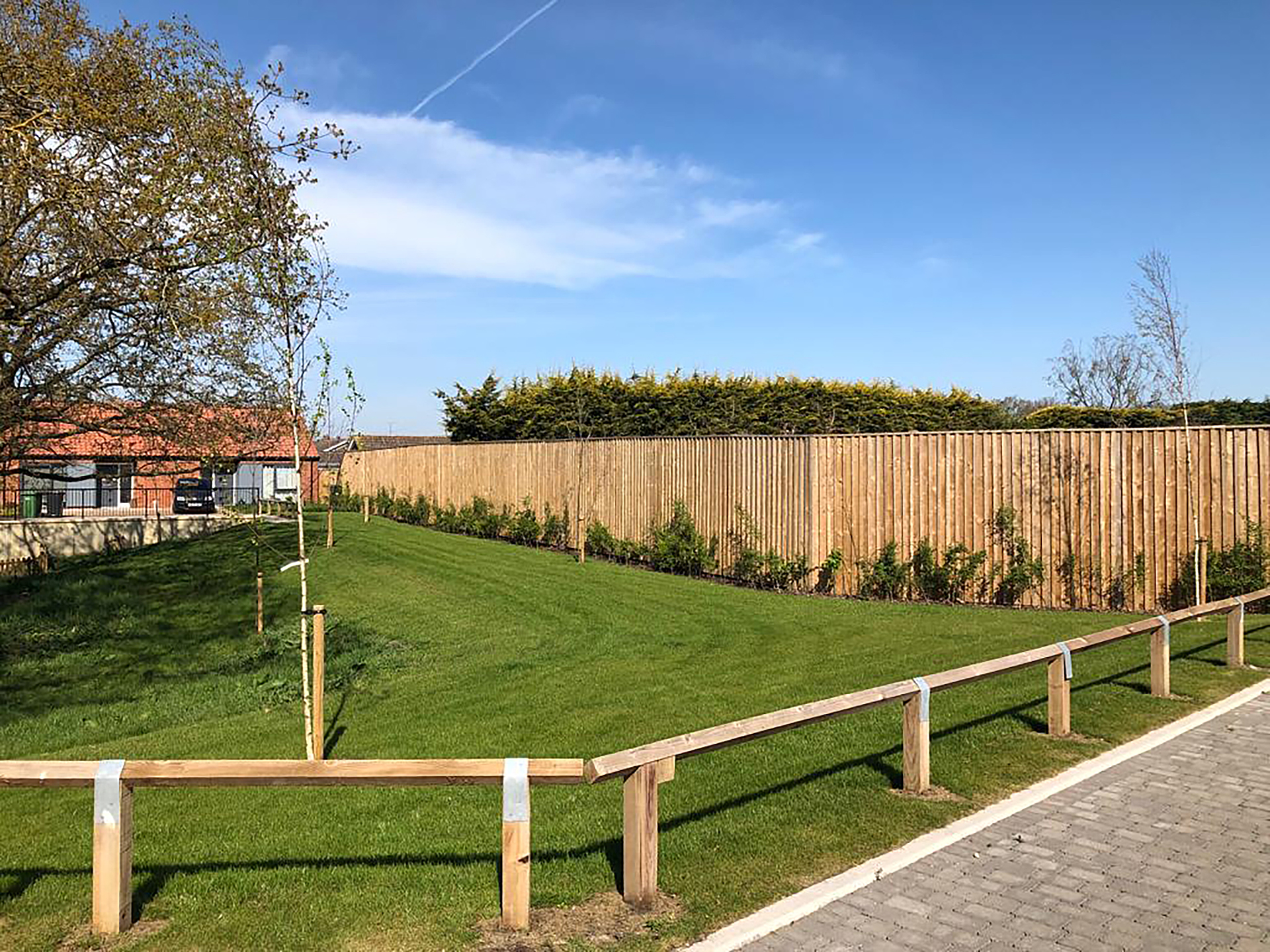
Acoustic fencing is a specially engineered type of fence that reduces the transmission of sound. Unlike a standard timber fence, which may only slightly dampen noise, acoustic fences are tested to rigorous standards (such as BS EN 1793-2) to ensure reliable performance.
Each panel is manufactured with interlocking timber boards and a dense construction that:
- Reflects sound waves back towards the source.
- Absorbs vibrations, reducing the passage of noise.
- Prevents gaps that allow sound to travel freely.
This makes acoustic fencing highly effective in both domestic and commercial applications.
The Benefits of Acoustic Fencing
1. Significant Noise Reduction
Depending on the specification, acoustic fencing can reduce noise levels by up to 32 decibels, a dramatic improvement compared to traditional fencing.
2. Improved Privacy
The solid panel construction blocks line-of-sight as well as noise, providing privacy for gardens, schools, and commercial sites.
3. Durability and Low Maintenance
Manufactured from pressure-treated timber, JCW’s acoustic fencing is designed to withstand the UK climate for many years with minimal maintenance.
4. Versatile Applications
From homes to highways, acoustic fencing is adaptable to a wide variety of environments.
Where Is Acoustic Fencing Used?
Domestic Gardens
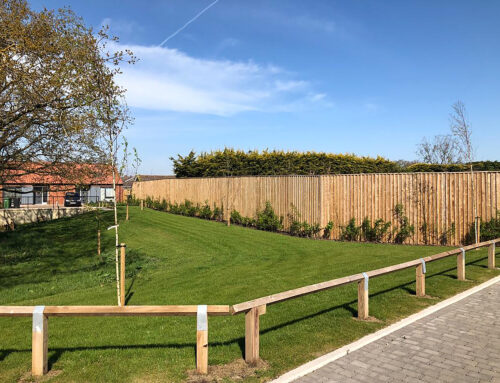
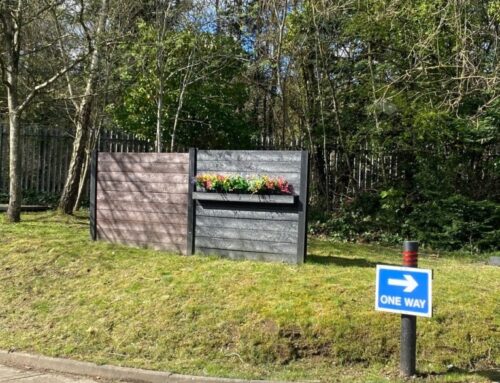
For homeowners troubled by noisy neighbours, traffic, or nearby businesses, domestic acoustic fencing provides a simple, effective way to enjoy peace and quiet.
Schools and Nurseries
Noise can disrupt learning. Acoustic fencing helps schools and nurseries create calm, focused outdoor environments where children can play and learn without constant distractions.
Hospitals and Healthcare Facilities
Quiet spaces are essential for recovery. Acoustic fencing has become a popular solution for healthcare providers looking to protect patients from external noise.
Construction and Development Sites
For contractors and developers, noise management is not just a courtesy; it’s a regulatory requirement. Commercial acoustic fencing helps construction firms meet compliance while maintaining good relationships with local communities.
Roads and Railways
Major infrastructure projects often require acoustic barriers to reduce the impact of traffic or railway noise on residential areas.
How Does Acoustic Fencing Work?
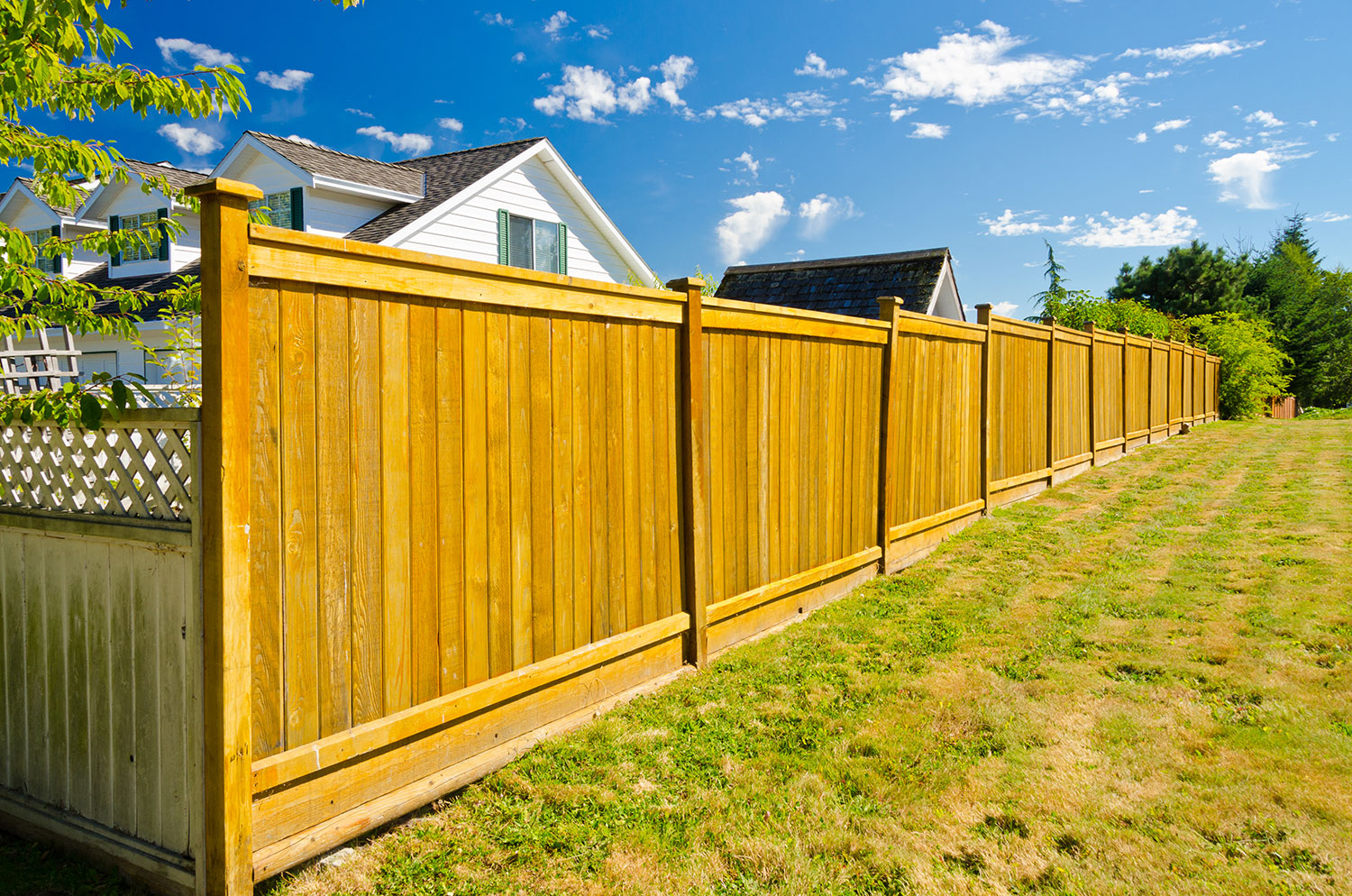
The effectiveness of acoustic fencing lies in its material density and design.
- Dense timber panels prevent sound from easily travelling through.
- Interlocking boards ensure there are no gaps for sound to escape.
- Sound-absorbing surfaces reduce reverberation and echo.
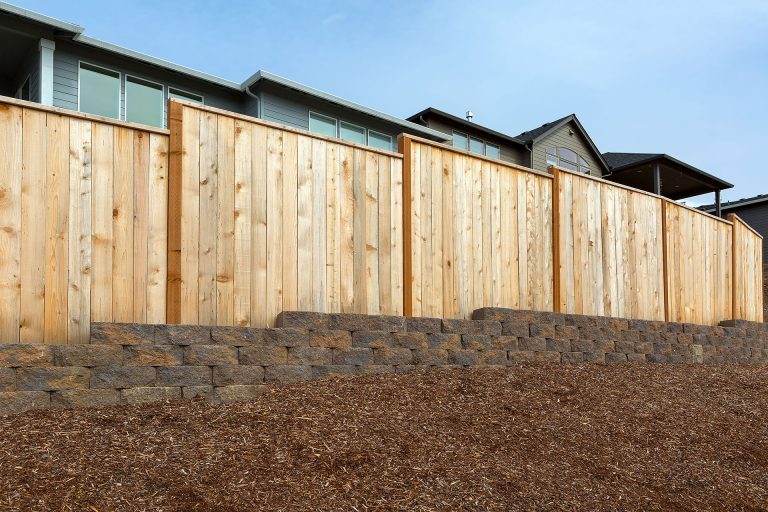
- Height and placement help block direct sound paths from the noise source to the receiver.
When installed correctly, this combination significantly reduces environmental noise, making spaces more comfortable and compliant with regulations.
Why Choose JCW Acoustic Fencing?
At JCW, we’ve supplied and installed acoustic fencing across the UK for over two decades. Our products are independently tested to BS EN 1793-2 standards, ensuring proven results.
We work with:
- Local authorities and councils
- Schools and universities
- Hospitals and healthcare providers
- Major developers and contractors
You can explore some of our recent work in our case studies section, where we showcase successful projects ranging from residential solutions to large-scale infrastructure installations.
Choosing the Right Acoustic Fence for Your Needs
Every site is different. That’s why we offer tailored advice to help you choose the right specification. Key considerations include:
- The type of noise source (traffic, industrial, or domestic)
- Required level of noise reduction
- Site layout and fence height
- Planning and regulatory requirements
Our team can provide free guidance and quotations to help you select the best fencing solution for your project.
Final Thoughts
Noise is more than just a nuisance; it’s a serious environmental issue that affects health, well-being, and productivity. Acoustic fencing provides an effective, attractive, and long-lasting solution to this growing problem.
Whether you’re a homeowner looking for peace in your garden, a school seeking a quieter environment for pupils, or a developer needing to comply with planning conditions, JCW Acoustic Fencing has the solution.
Contact us today for expert advice on acoustic fencing solutions tailored to your needs.